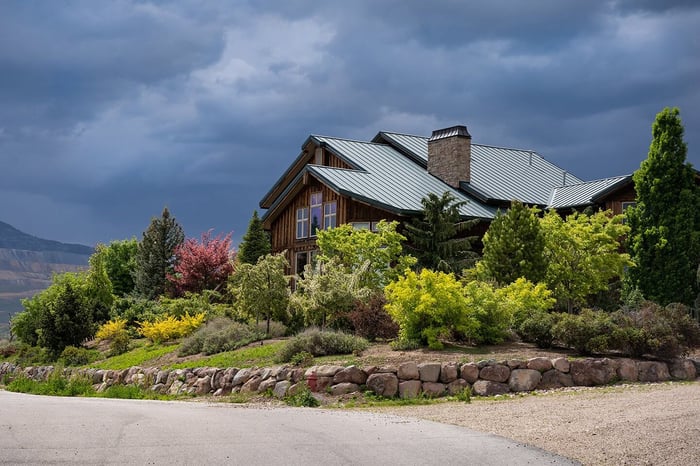


Utah is an amazing place. People come from all over the world to admire its beauty. But it isn’t lush, verdant landscapes that attract tourists, it’s contrast. They come for the orange cliffs contrasted against deep blue skies—two colors that sit opposite each other on the color wheel, making each appear even more vibrant than they would alone. It’s the contrast of a small stream giving life to resilient trees, shrubs and grasses growing green in a narrow valley flanked by massive, barren cliffs.
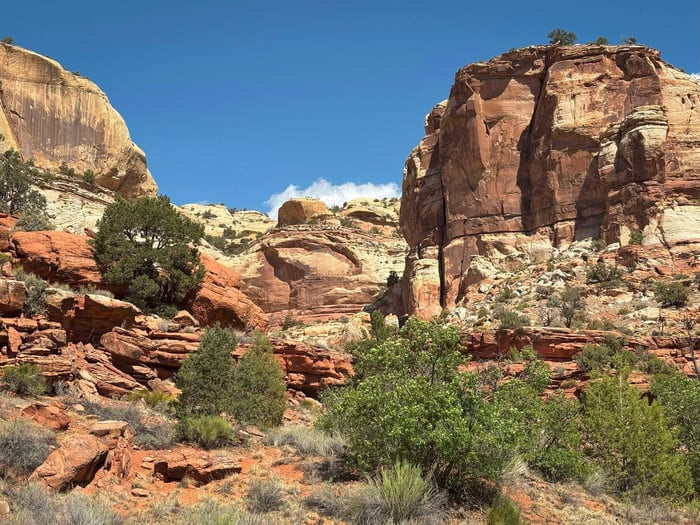 Grand Staircase Escalante, Utah
We visit our national parks and stand in awe of the determination it takes for life to thrive here. Yet, even in the face of that reality, we understand why people have been drawn to these magical, tranquil places for thousands of years. We find ourselves wrestling with two opposing questions:
“Why would anyone come here,” and “Why would anyone want to leave?”Making Utah your home comes with unique challenges.
It’s tough growing gardens in this beautiful place because there isn’t a one-size-fits-all solution. We live in a wide range of elevations with temperatures that drop as you go up, our alkaline soil varies in structure from loamy to hardpan clay, and our water is extremely limited. In fact, the water from Utah Lake and the Jordan River is filled with dissolved solids that can actually kill many of your favorite plants.
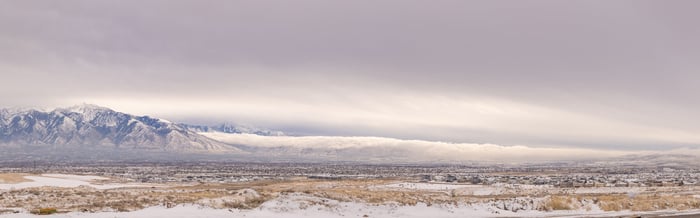 Wasatch Front with a dusting of snow
On top of that, the weather in Utah is hit-or-miss. Some years we get buried in snow, and then we have record-breaking dry winters like this one. We never know what to expect from this semi-arid, high desert region. But that’s also what makes landscaping in Utah so rewarding. There’s nothing like taking on a challenge and winning!
Creating a resilient landscape isn’t about settling for less.
Hardscape materials, like gravel, make wonderful walkways and gathering areas for outdoor cooking. But they absorb and reflect heat, so if you fill your landscape with rock you will actually increase the temperature in your yard. A resilient landscape can be so much more than that. The secret is to design your garden to work with our unique environment rather than against it. And that all comes down to selecting the right plants.
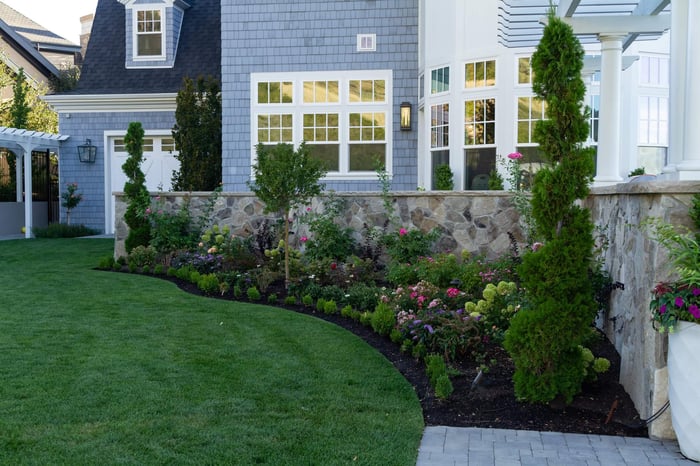
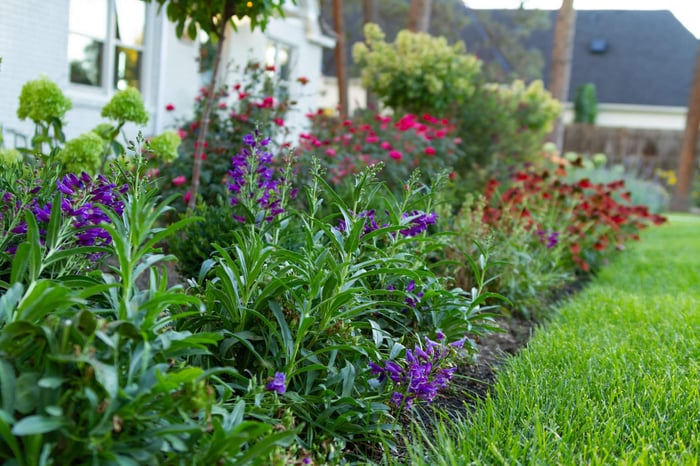 A beautifully resilient landscape in Holladay, Utah
With decades of experience growing trees, shrubs and perennials right here in the Salt Lake Valley, we’ve learned that your yard can do more than just survive—it can thrive. It all depends on what you plant and where you plant it. Climate-adapted plants acclimated to our specific growing conditions allow you to save water while creating your ideal sanctuary—something that grows more beautiful each year. These hardy plants are amazing performers in our region, bringing a variety of color and texture to our yard.
Here’s a quick way to get started with your own resilient landscape using some of our favorite, time-tested cultivars.
Start With Structure
Vertical elements are critical in any garden. You can add these elements using deciduous trees, shrubs, and conifers. With the right microclimates, you could also use columnar boxwoods, laurels, and yews.
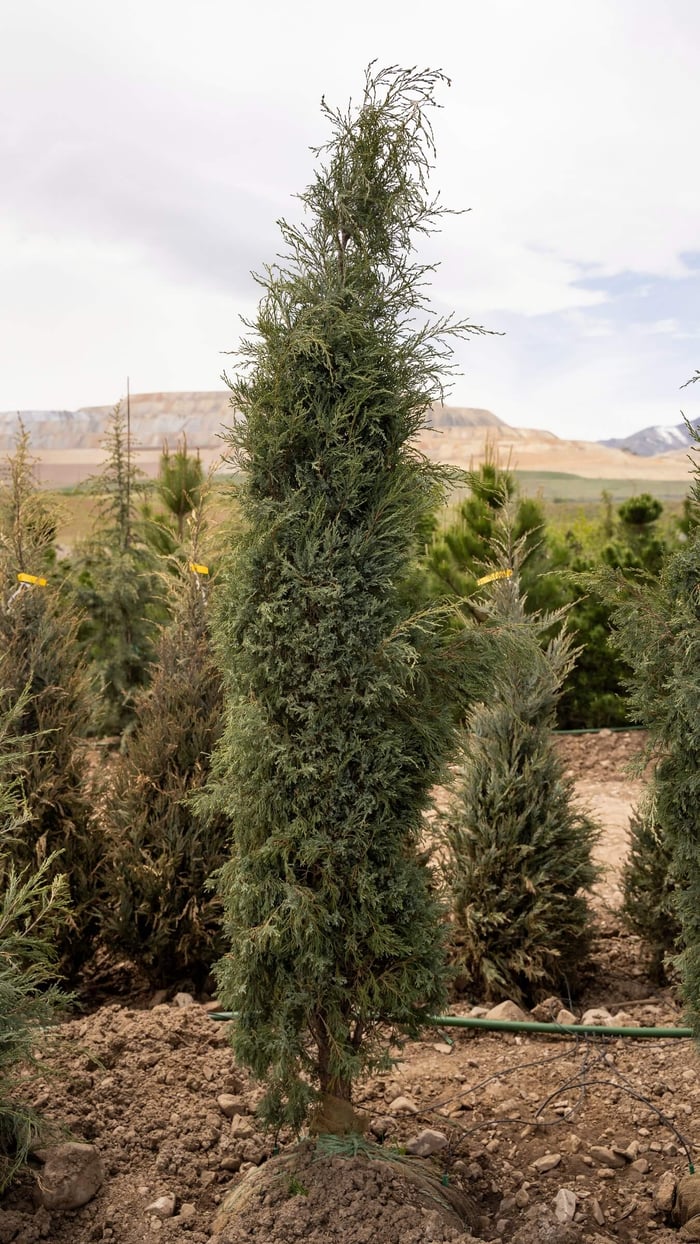
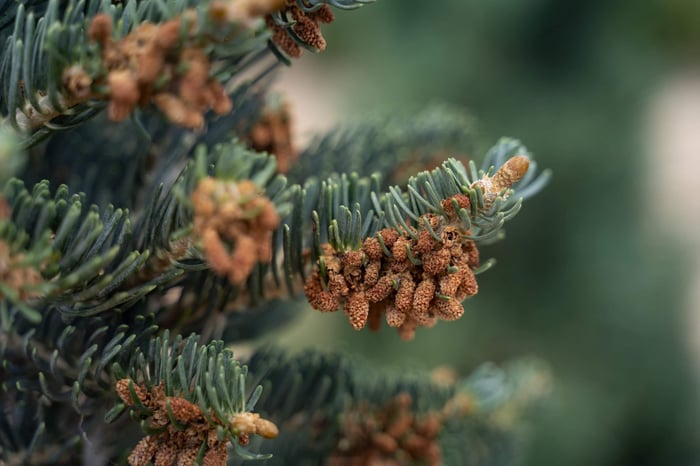
One of our favorite options is the Woodward Upright Juniper (Juniperus scopulorum ‘Woodward’). It’s ideal for homeowners who need a tough, reliable vertical element. Unlike some other upright junipers that might splay open under a heavy Utah snow load, the Woodward beautifully maintains its tight, columnar form. It’s a cultivar of our native Rocky Mountain Juniper, meaning it already loves our soil and has no problem with Utah Lake water.
Whether you use it as a sophisticated privacy screen or a stately accent at the corner of your home, it offers a year-round evergreen presence that keeps a garden looking intentional even in the dead of winter. Plus, its narrow footprint makes it an ideal solution for today’s smaller yards.
Color and Grace that Turns Heads
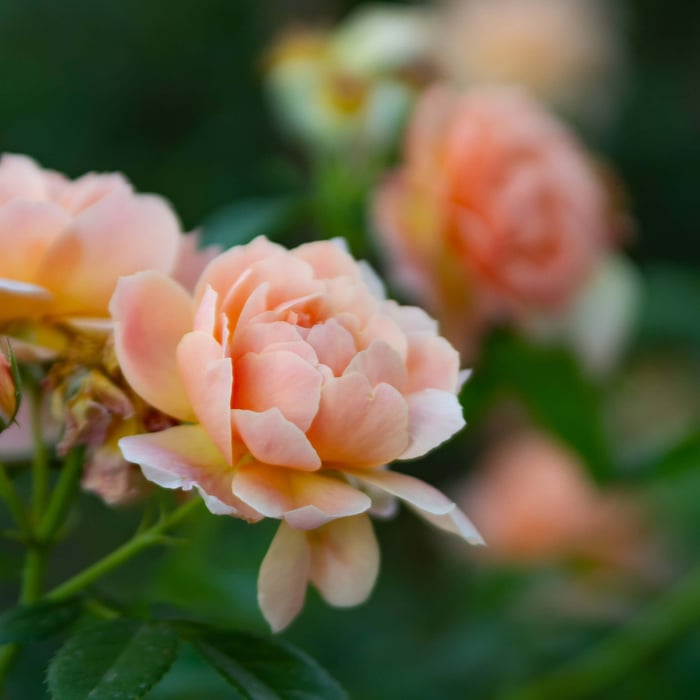
Resilience doesn’t mean sacrificing the “wow” factor, and there are several fun ways to bring that flair into your yard. Butterfly bushes, roses, and elderberries are all great, but have you considered hydrangeas? We love them because they bloom all season and you never have to deal with falling petals or deadheading. The flowers just get larger with time and change color as the temperatures drop.
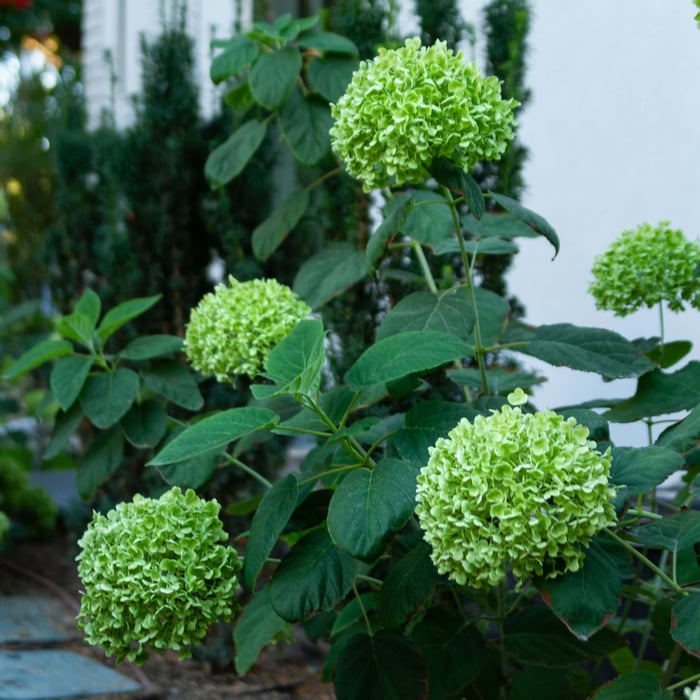
If you think that hydrangeas don’t grow in Utah, you’re partially correct. Hydrangeas that bloom blue will struggle here, but those that bloom white and turn pink and red thrive in our growing conditions: panicle hydrangeas, oak leaf hydrangeas, big leaf hydrangeas, and more.
Panicle hydrangeas are famously hardy and sun-tolerant. They won’t wilt in the heat, especially if you plant them on the east side of a structure, allowing them some relief from the hottest afternoon sun. Many growers have their favorite panicle hydrangeas, including Little Lime Punch, Fire Light, Limelight, and BoBo. But there are several new cultivars that are threatening to overtake them in popularity: Bouncy, Bubble Bath, and Spring Sizzle to name a few. Currently, our favorite new variety is Diamond Rouge!
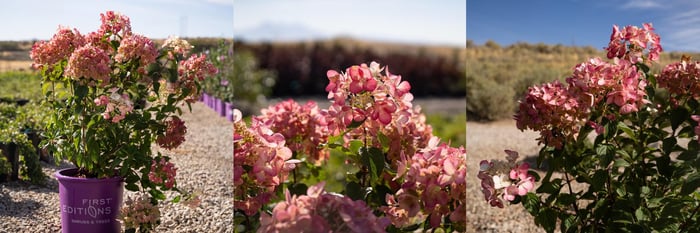
Diamond Rouge is particularly spectacular because it features a very sturdy form with large blooms that start white in mid-summer and gradually deepen to a rich, raspberry red as the nights cool down in the fall. It’s a resilient beauty that provides months of interest while standing up to the bright Utah sun.
Perennials That Give Back
A truly resilient landscape is a living ecosystem attracting bees, butterflies, and hummingbirds that bring your garden to life. There are literally hundreds of hardy perennials that will thrive in our climate while drawing pollinators and wildlife into your yard.
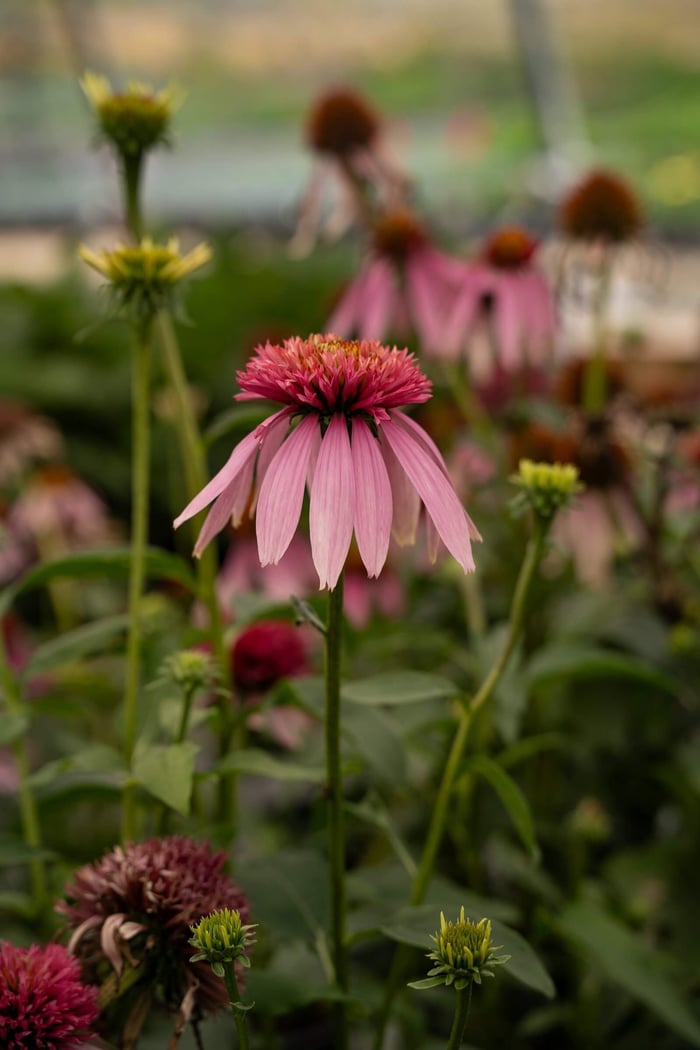
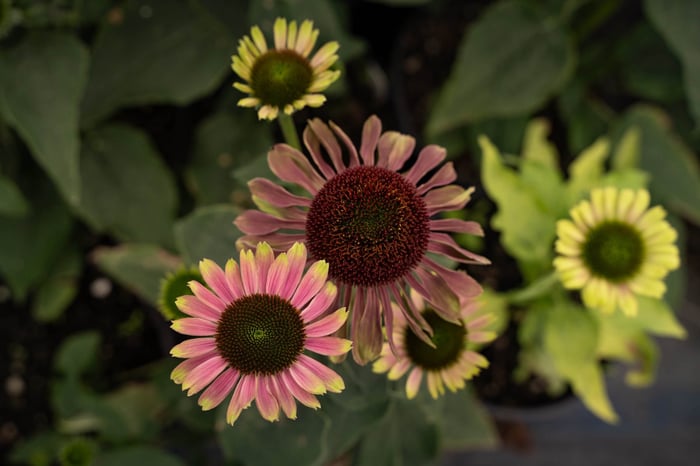
Echinacea, commonly known as Coneflowers, are built for the prairie, which makes them perfectly suited for our windy, sun-drenched valleys. They are incredibly drought-tolerant once established and come in a dazzling array of colors, from the classic purple to vibrant oranges and yellows. They are pollinator magnets, and if you leave the seed heads standing in the fall, you’ll provide a vital source of food for birds in the winter. Just in terms of hardiness and variety, it’s really hard to beat coneflowers.
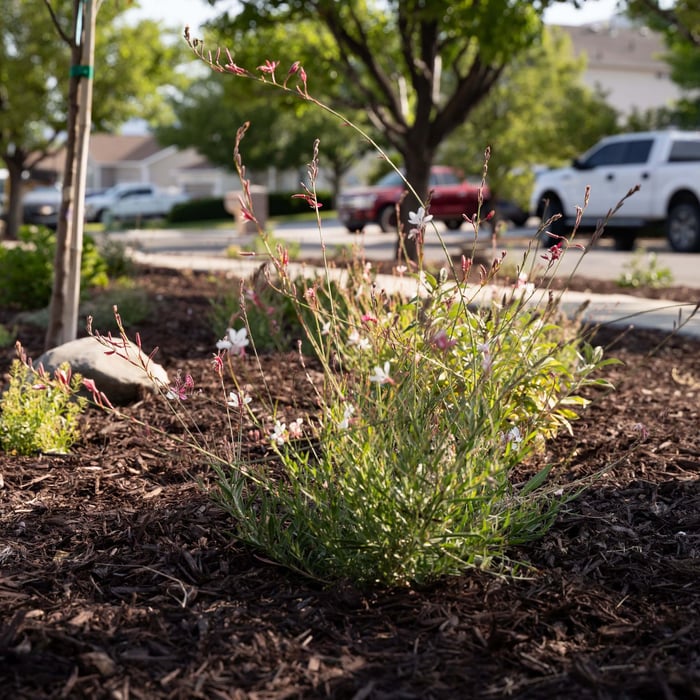
If you’d like something with a bit more movement and grace, you’ll love Gaura (also known as Wand Flower or Whirling Butterflies). This is one of our favorite ‘filler’ plants because of its airy, delicate texture. It produces tall, wiry stems tipped with flowers that look like tiny butterflies dancing in the breeze.
Don’t let its delicate appearance fool you; Gaura has a deep taproot that makes it exceptionally drought-hardy. It blooms from early summer right until the first hard frost, filling in the gaps in your garden with effortless elegance.
Why ‘Locally Grown’ Matters
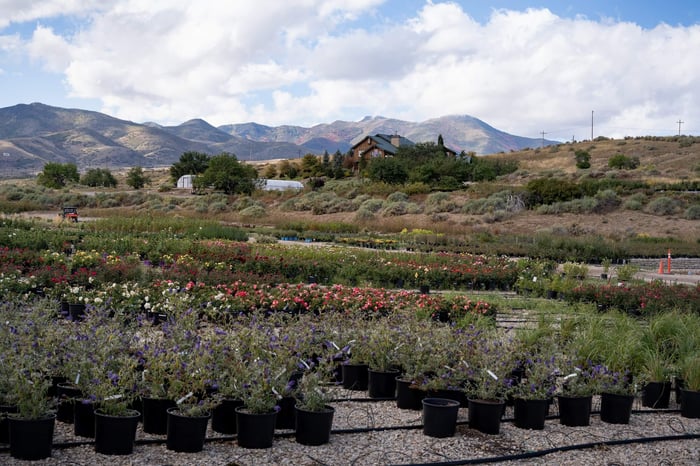
At Progressive Plants, we’ve been growing trees, shrubs, and perennials in the Salt Lake Valley for over 35 years. That matters because our plants are raised in the same soil, breathe the same air, and endure the same temperature swings as they will in your yard. That means they won’t experience as much shock as imported plants that move from a humid greenhouse in another state to our high-desert climate.
Be Patient with Your Garden
Resilient landscaping is a journey. It starts with choosing the right plant for the right place and continues with smart practices like grouping plants by water needs (hydrozoning), installing drip irrigation, covering soil with mulch, and planting in the fall to allow roots to establish during the cool months.
Whatever you’re working on this year, we’re here to help. Yes, growing in Utah is a challenge that can make you question what you’re doing here, but we’ll help you create a haven that you’ll never want to leave.